Month: July 2026

Introducing the Team Behind ShieldBot – Meet IDEKO Research Center
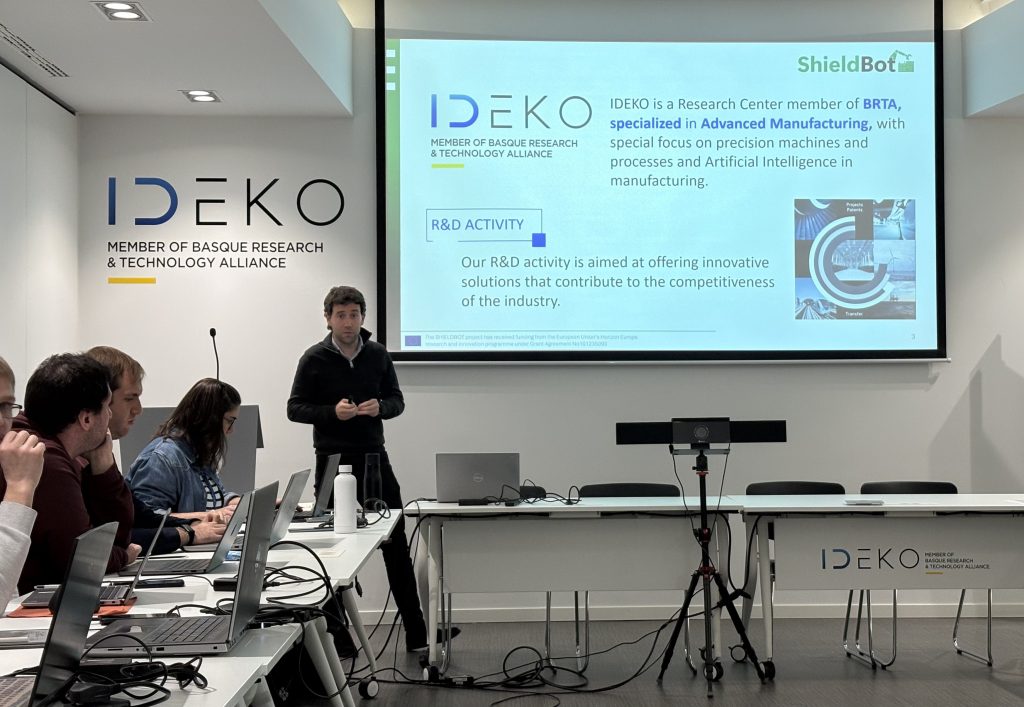
Jokin Muñoa and Iker Mancisidor work in the field of dynamics, control and advanced technologies for industrial applications at IDEKO Research Center, the ShieldBot project coordinator.
Jokin Muñoa is the Scientific Director of IDEKO and has led the Dynamics and Control research line since 2009. He holds a Ph.D. in Mechanical Engineering and has extensive experience in the field of manufacturing technologies, particularly in machine tool dynamics, vibration problems and advanced control solutions. Throughout his career, he has coordinated and participated in numerous European research projects and is also a Fellow Member of the International Academy for Production Engineering (CIRP). In ShieldBot, Jokin is the Project Coordinator, responsible for the overall coordination and for ensuring that the consortium works towards the common scientific, technological and industrial objectives of ShieldBot.
Iker Mancisidor is a Researcher on the Dynamics and Control research line at IDEKO, where he technically leads the Active & Smart Components specialisation line. He holds a Ph.D. in Mechanical Engineering and has more than 15 years of experience in machine tool dynamics, vibration control and the development of active and smart systems for industrial applications. He has participated in several European research projects and spent six months as a Postdoctoral Fellow at the Precision Controls Laboratory of the University of Waterloo in Canada. In ShieldBot, Iker acts as the Technical Manager of the project, supporting the coordination of the technical activities and the alignment of the developments carried out by the different partners and work packages.
"We believe that the technologies developed within ShieldBot can help make construction, renovation and maintenance activities safer for workers, while also improving productivity, quality and overall efficiency." - Jokin Muñoa, ShieldBot Coordinator, and Iker Mancidisor, ShieldBot Technical Manager, from IDEKO Research Center.

Could you briefly explain what ShieldBot is, in a nutshell?
ShieldBot is a European research project that aims to develop a new generation of integrated robotic solutions for the construction, renovation, inspection and maintenance of buildings. The project brings together expertise in robotics, artificial intelligence, sensing technologies, digitalisation and construction to address some of the main challenges faced by the sector. Our goal is to develop robotic systems that can operate in complex construction environments, support workers in physically demanding, repetitive or hazardous tasks, and improve the safety, efficiency and quality of construction and renovation processes. A key aspect of ShieldBot is that the technologies are developed around real industrial needs and use cases, with the ambition of bringing advanced robotics closer to practical application in the construction sector and contributing to its digitalisation and modernisation.
As the project coordinator, could you outline the reason behind the ShieldBot project? How was this idea born?
The idea behind ShieldBot emerged from IDEKO’s experience in recent years participating in several research projects focused on the development and application of robotic technologies in different industrial sectors. Through this work, we have seen that one of the greatest strengths of robotics is flexibility: robots can be adapted to different tasks and environments in a way that is much more difficult to achieve with conventional dedicated machines. This flexibility is opening the door to many new industrial applications.
At the same time, we saw that the construction sector faces several important challenges. The availability of skilled workers is decreasing, the workforce is ageing, productivity growth remains limited, and the adoption of new technologies and automation has generally progressed more slowly than in other industrial sectors. We therefore saw a clear opportunity to explore how the flexibility and adaptability offered by robotics could help address some of these challenges.
This was the starting point of ShieldBot. From there, we began bringing together partners with complementary expertise in robotics, artificial intelligence, sensing and digital technologies, as well as partners with strong knowledge of the construction sector and its real industrial needs. Each partner contributed its own experience, technological capabilities and ideas, progressively enriching the initial concept and helping us shape ShieldBot into the ambitious and multidisciplinary project it is today.
What does IDEKO bring to the project? Could you describe your role in ShieldBot?
IDEKO has two main roles in ShieldBot. First, as Project Coordinator, we are responsible for the overall management of the project, facilitating collaboration among the partners and ensuring that the different scientific and technological developments progress towards the common objectives of ShieldBot.
At the technical level, IDEKO leads the activities focused on providing the robotic systems with the sensing and advanced control capabilities required to perform construction tasks with greater precision, robustness and efficiency. Construction environments are complex and variable, and robots need to perceive their interaction with the environment and adapt their behavior accordingly. To address these challenges, we bring to ShieldBot our experience in mechatronics, sensing technologies, machine dynamics and advanced control strategies applied to both industrial machines and robotic systems. Our goal is to use this expertise to improve the performance of the ShieldBot robotic solutions and enable them to execute demanding construction tasks more accurately and reliably, helping to bridge the gap between advanced robotic technologies and their practical deployment in real construction applications.
What expectations do you have for the project from your personal and organisational perspective?
From both a personal and organisational perspective, we expect ShieldBot to demonstrate how advanced robotics can transform the way building construction, renovation and maintenance activities are carried out. Renovating building façades is often a challenging task that involves working at height, difficult access conditions and repetitive manual operations. We believe that the technologies developed within ShieldBot can help make these activities safer for workers, while also improving productivity, quality and overall efficiency.
From a technical point of view, we are particularly interested in the development of intelligent robotic systems capable of operating in complex and changing environments. The combination of robotics, artificial intelligence, sensing technologies and advanced control systems offers a unique opportunity to create solutions that can support inspection, maintenance and renovation tasks with a high level of autonomy and reliability. We expect the project to generate valuable knowledge in these areas and to push the current state of the art in construction robotics.
For IDEKO, ShieldBot is also an excellent opportunity to strengthen collaboration with leading European organisations from different sectors, combining expertise in robotics, digital technologies, construction and sustainability. By working together, we hope to develop solutions that go beyond the research stage and can eventually be adopted by industry. In the long term, we expect the project to contribute to safer working conditions, more energy-efficient buildings and a more sustainable construction sector across Europe.

Could you highlight what you consider to be the three principal innovations that ShieldBot will develop over the course of the three-year project?
We would highlight three main innovations that ShieldBot will develop during the project. The first one is the InnerShieldBot, a robotic system designed to support construction activities inside buildings. Its main focus will be the installation of plasterboard panels, helping workers carry out these demanding tasks more efficiently and with less physical effort. In addition, the platform will include an innovative snake robot capable of accessing confined and hard-to-reach spaces to spray insulation material.
The second innovation is the InspectionShieldBot, which will be dedicated to façade inspection and condition assessment. This solution will combine the capabilities of an aerial drone and a crawling robot that can move along building façades, providing detailed and complementary information about the condition of the building envelope. By integrating advanced sensors, imaging technologies and data analysis tools, the system will support earlier defect detection and more accurate planning of renovation activities.
The third innovation is the FaçadeShieldBot, an advanced robotic solution focused on the installation of insulation panels on building façades. The system will be based on a cable-driven robot capable of handling and positioning large insulation panels efficiently and safely on building exteriors. In addition, the project will investigate the possibility of combining this cable robot with aerial robotic platforms, exploring the use of drones to support and manipulate the system during installation operations. This innovative approach could offer greater flexibility, reduce manual work at height and enable safer and more efficient façade renovation processes.
Beyond the individual technologies, we believe the real strength of ShieldBot lies in its ambition to bring advanced robotics into different stages of a building’s life cycle. From construction and renovation activities to inspection and maintenance operations, the project will explore how robotic systems can support workers, improve safety and increase efficiency in tasks that are often physically demanding and difficult to automate. In addition, supporting developments such as DigiShield and EcoShield will help create the digital and sustainability frameworks needed to maximise the impact of these robotic solutions.
How do you see the power of advanced robotics and sustainable practices transforming the European construction and energy building efficiency sector? What benefits can it bring to science, economy and society?
We believe advanced robotics and sustainable practices can play a key role in the future of the European construction sector. Robotics can help workers perform demanding and potentially hazardous tasks more safely and efficiently, while sustainable renovation solutions can improve the energy performance of buildings and reduce their environmental impact.
More broadly, these technologies can help accelerate the transformation of the construction sector, making it more innovative, productive and sustainable. They can support the renovation of existing buildings, improve working conditions and contribute to reducing energy consumption. We are confident that these technologies will help create safer, greener, more comfortable and more affordable homes and buildings for people across Europe.
DFKI Presents the ShieldBot Scan-to-BIM Pipeline at European Conference on Computing in Construction 2026
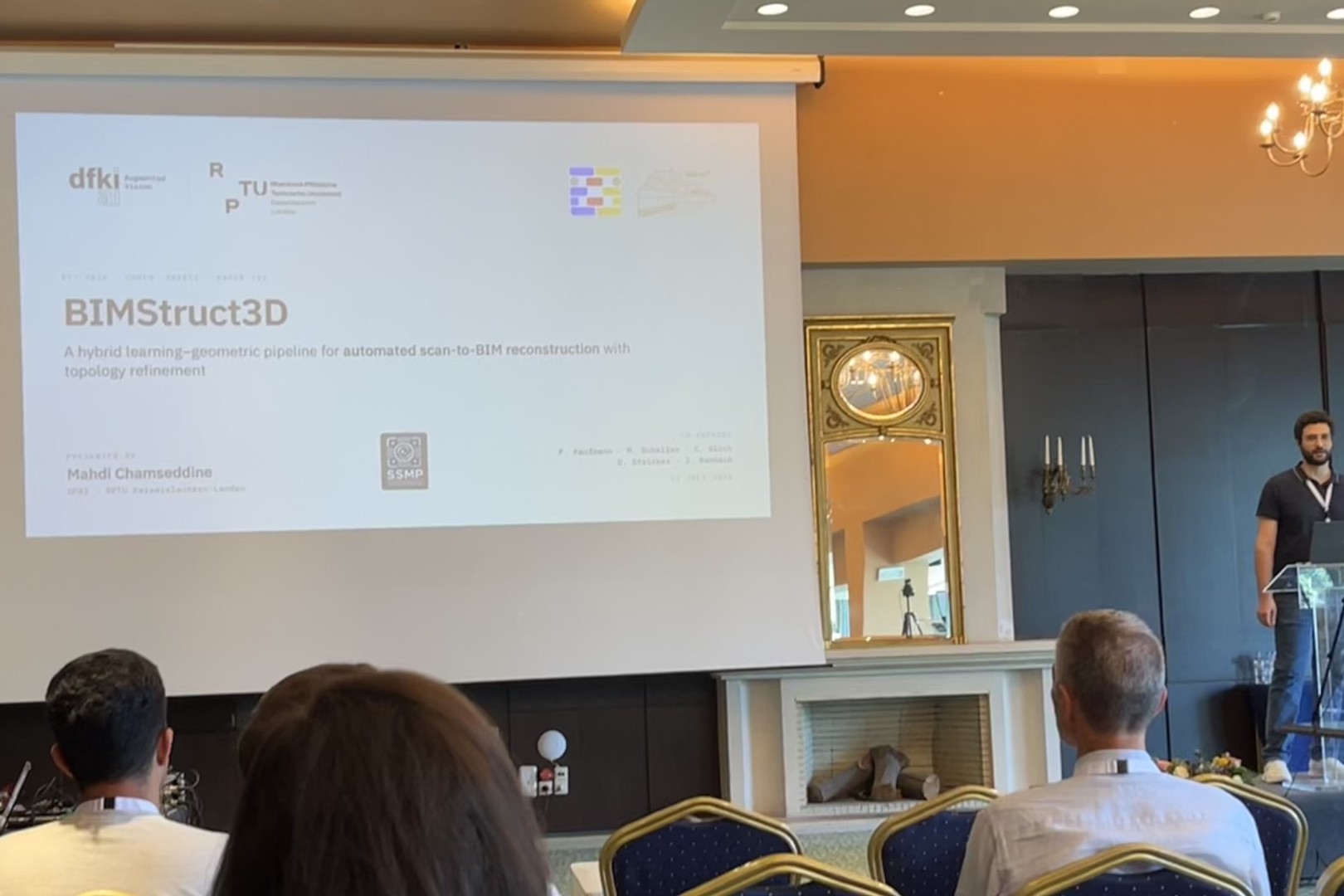
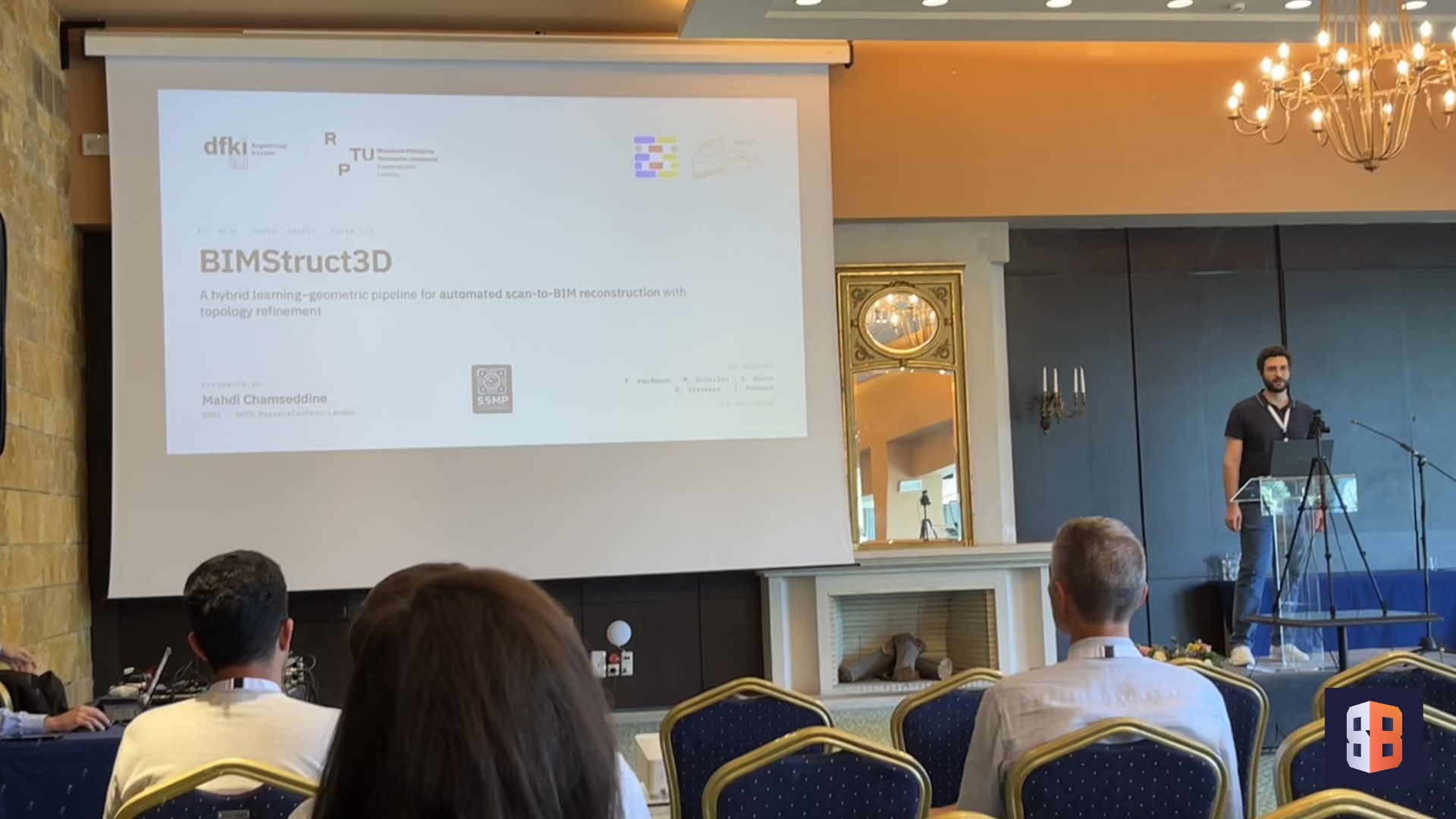
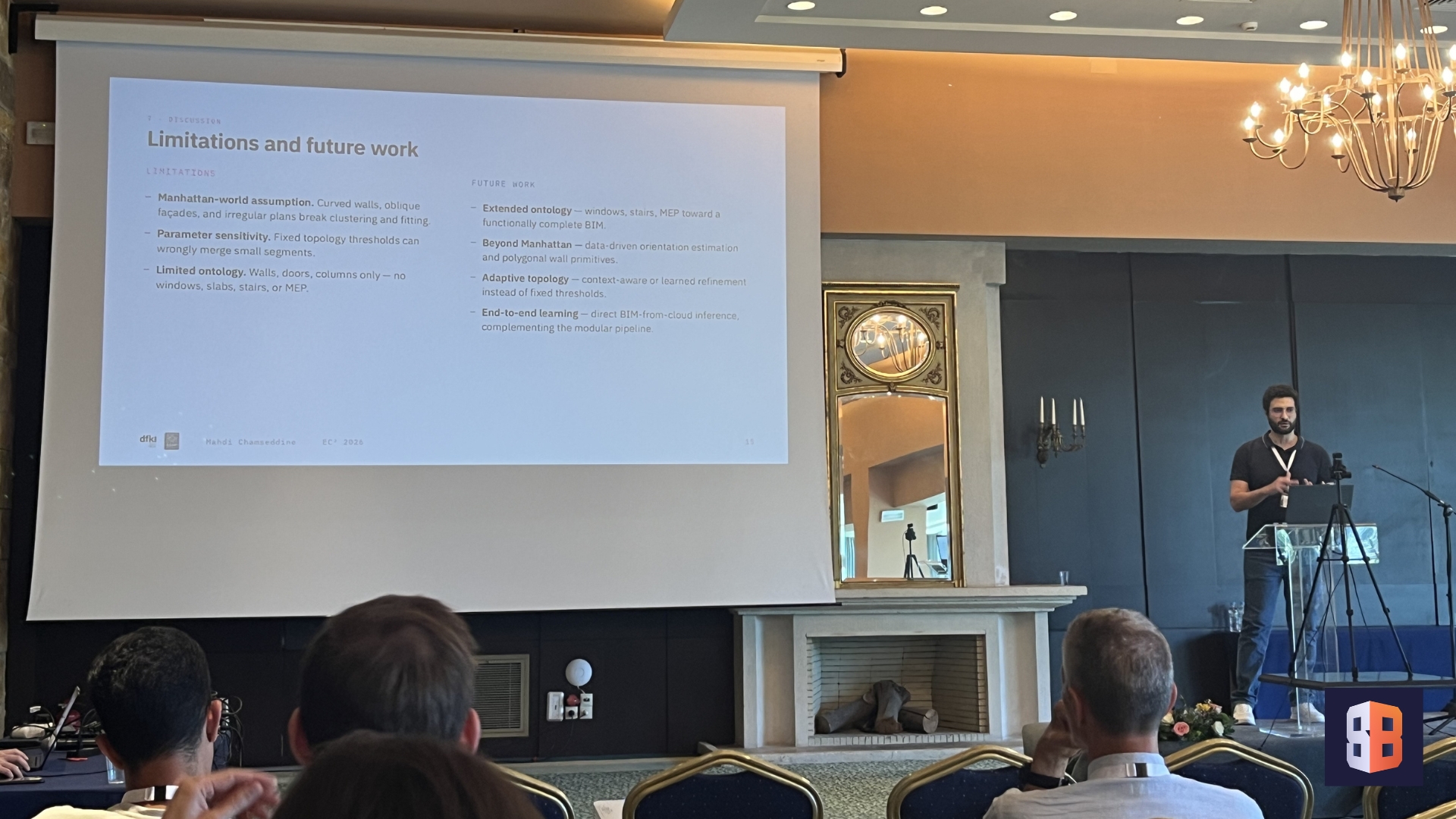
ShieldBot participated in the 2026 European Conference on Computing in Construction (EC3), held in Corfu, Greece, on 12-15 July 2026 to present the scientific paper "BIMStruct3D: A Fully Automated Hybrid Learning Scan-to-BIM Pipeline with Integrated Topology Refinement", co-authored by several researchers from our partners DFKI and RPTU.
As part of the conference programme, Mahdi Chamseddine, Researcher at the German Research Center for Artificial Intelligence, or Deutsches Forschungszentrum für Künstliche Intelligenz (DFKI), represented ShieldBot during the session "Scan-to-BIM", chaired by André Borrmann, Professor at Technische Universität München (Technical University of Munich), focusing on generating digital asset representations from scans, inspections and existing infrastructure records.
Mahdi presented the paper, also co-authored by Fabian Kaufmann, Marius Schellen, Christian Glock, Didier Stricker and Jason Rambach, offering an overview of the ShieldBot research on fully automated Scan-to-BIM pipeline capable of generating IFC-compliant Building Information Models (BIM) from 3D point clouds.
The proposed hybrid approach combines learning-based semantic segmentation with topology-aware geometric reconstruction to accurately model structural elements. The paper also introduces vIoU, a new voxel-based evaluation metric for holistic comparison of reconstructed and ground-truth BIM models, and presents the German Hospital (DeKH) dataset, featuring high-resolution point clouds, semantic annotations and ground-truth BIMs. Experimental results demonstrated significant improvements over traditional RANSAC-based methods, highlighting the robustness and scalability of the proposed solution.
The session was attended by around 40 participants, including researchers, academics and construction professionals from across Europe and beyond to discuss the latest advances in digital construction, Building Information Modelling (BIM), artificial intelligence and automation.
Reflecting on the event, Mahdi Chamseddine, Researcher at DFKI, highlighted:
"The conference offered valuable publicity for ShieldBot, and an excellent opportunity to exchange ideas with fellow researchers that will be beneficial for our future deliverables."
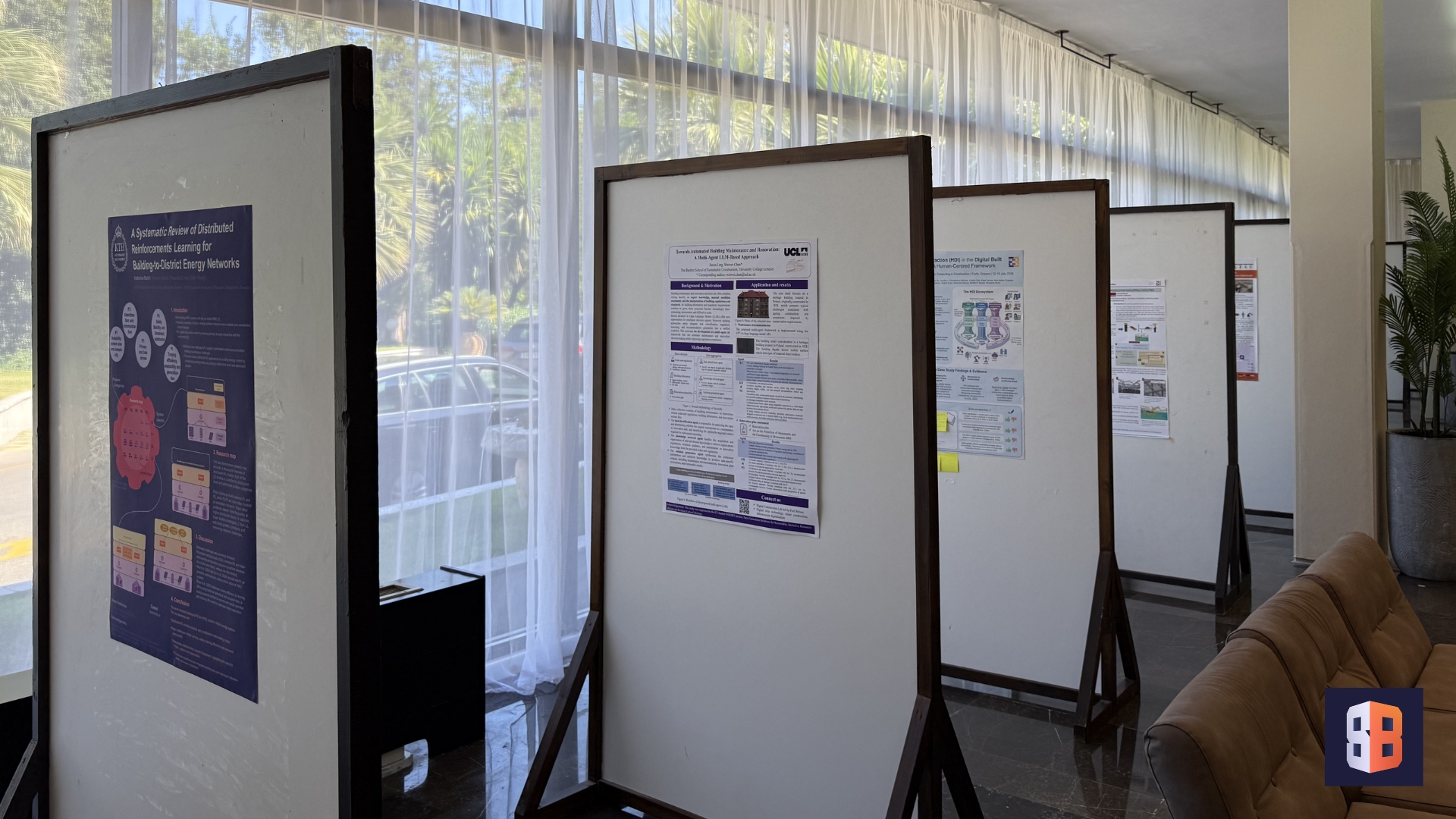
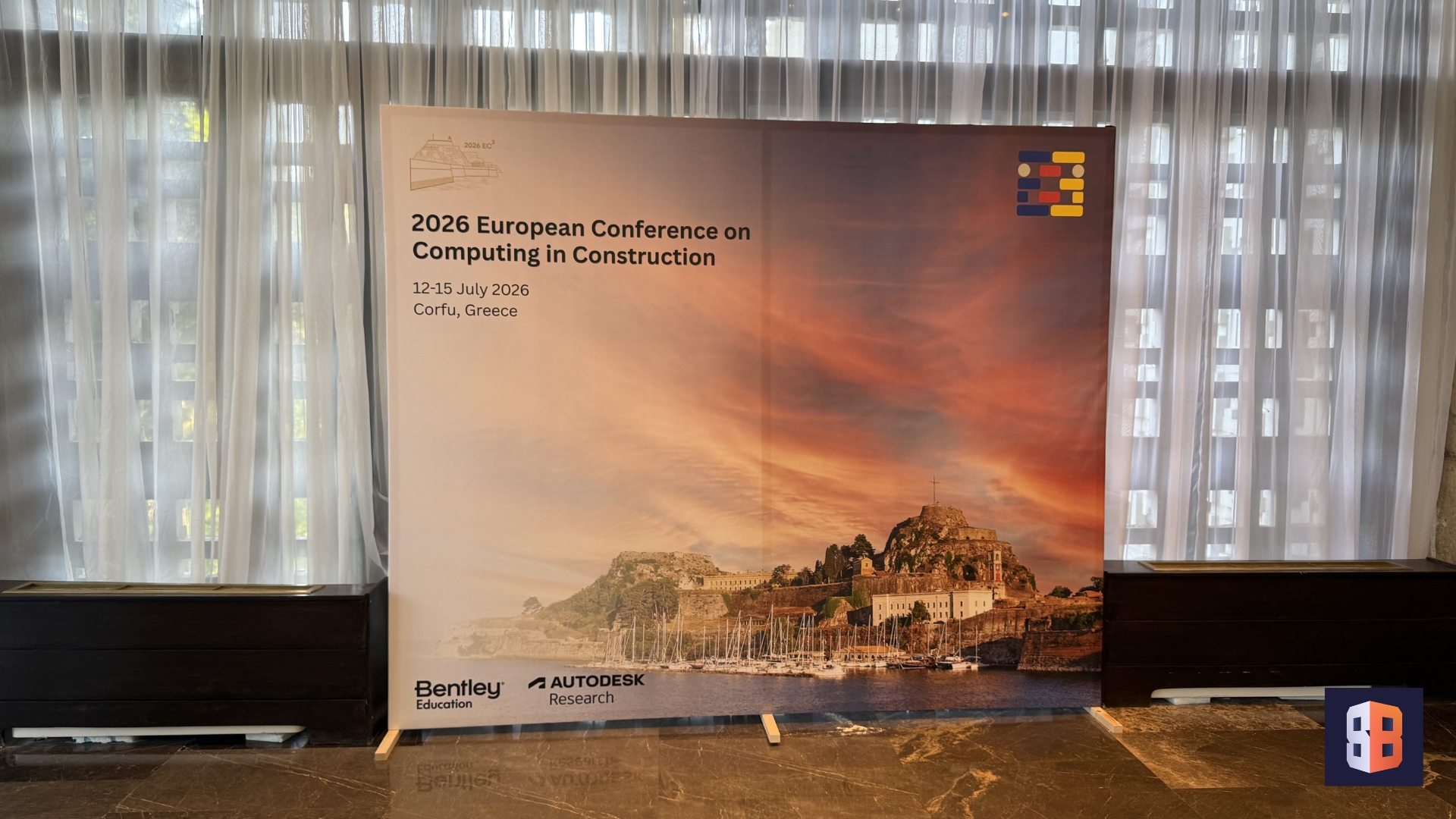
2026 EC3: European Conference on Computing in Construction
The 2026 European Conference on Computing in Construction (2026 EC3) is the premier European conference for information, communication and technological research, innovation and policy for the construction sector as a whole in Europe. It is the annual meeting organised by the European Council for Computing in Construction, with the purpose of bringing together researchers, practitioners and construction industry professionals from around Europe to meet and share information about the latest developments in all aspects related to computing in construction.
ShieldBot Work Package Leaders Meet in Kaiserslautern to Shape the Next Project Phase
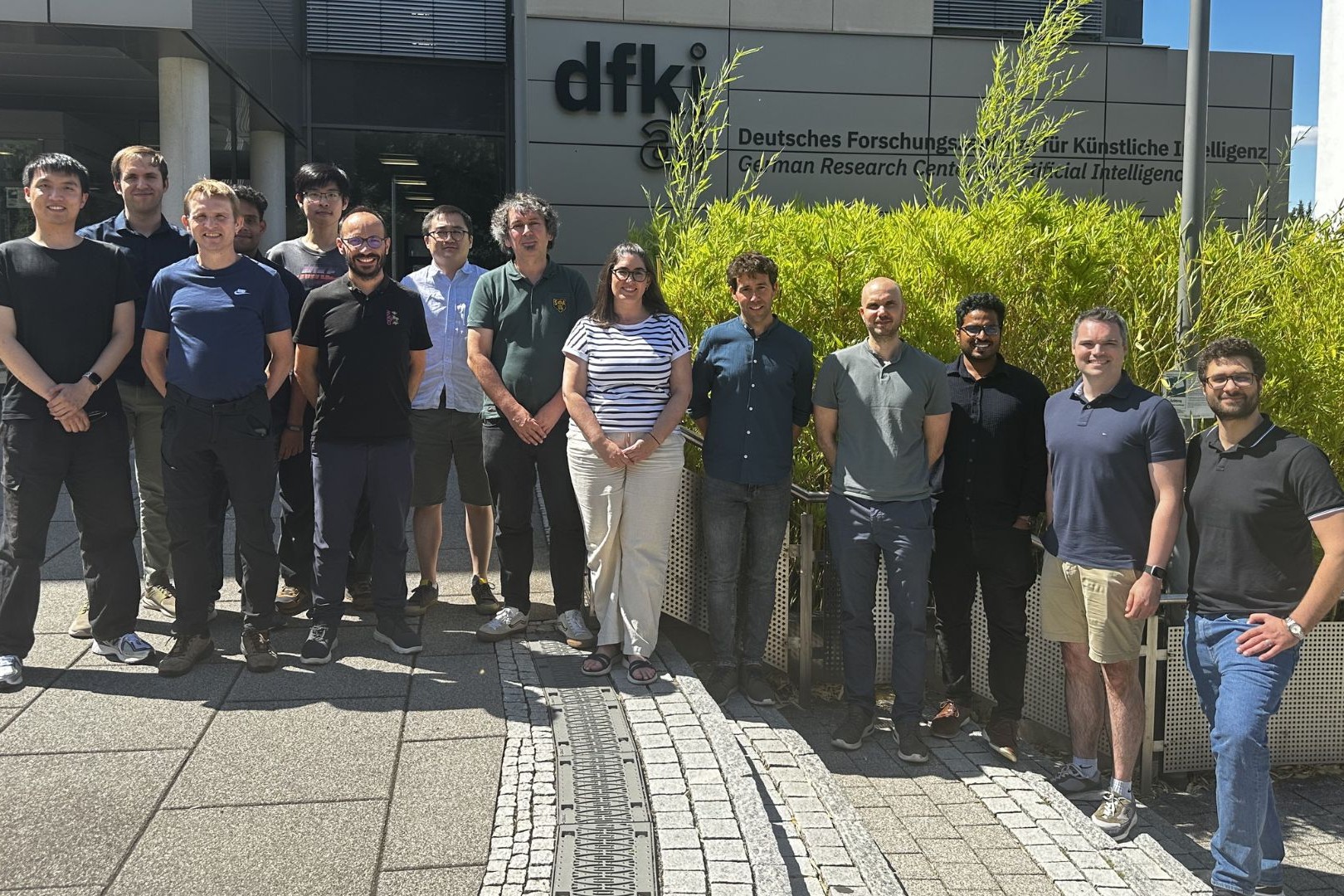
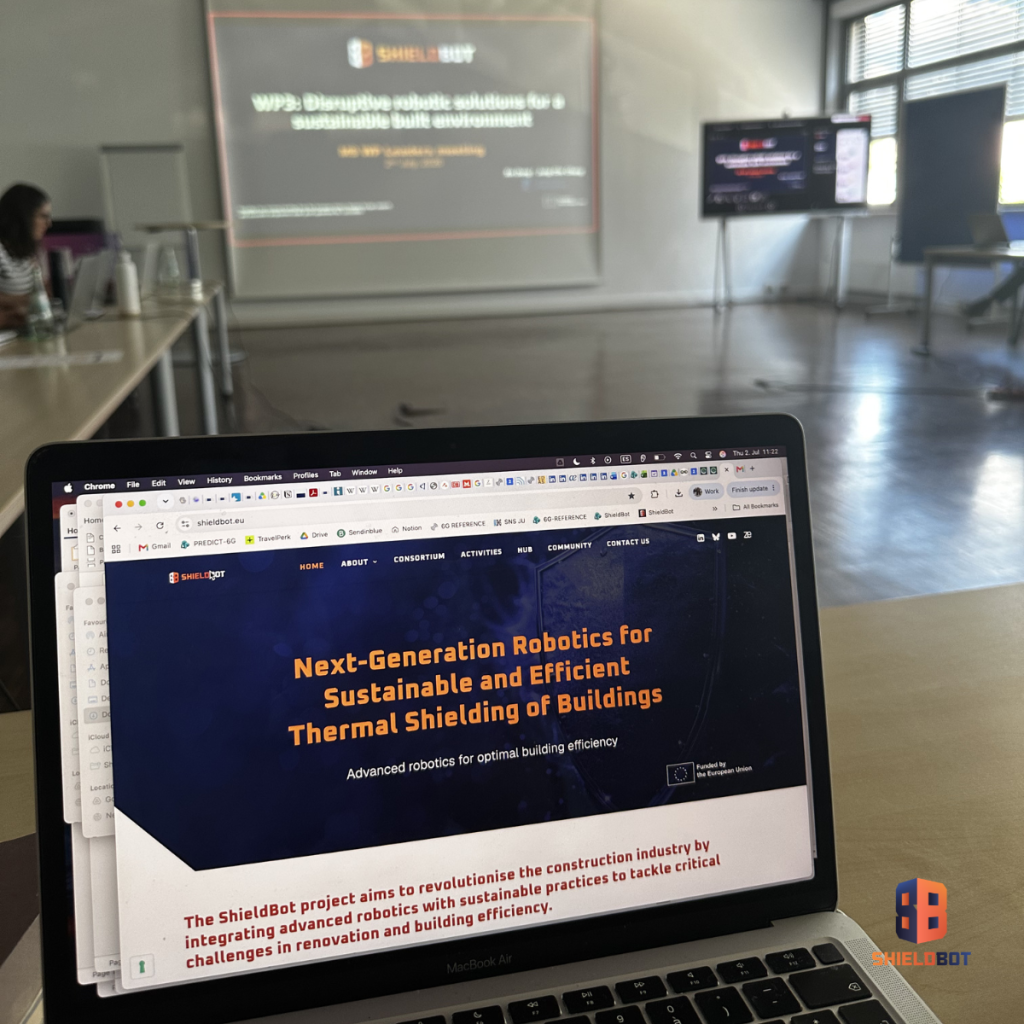
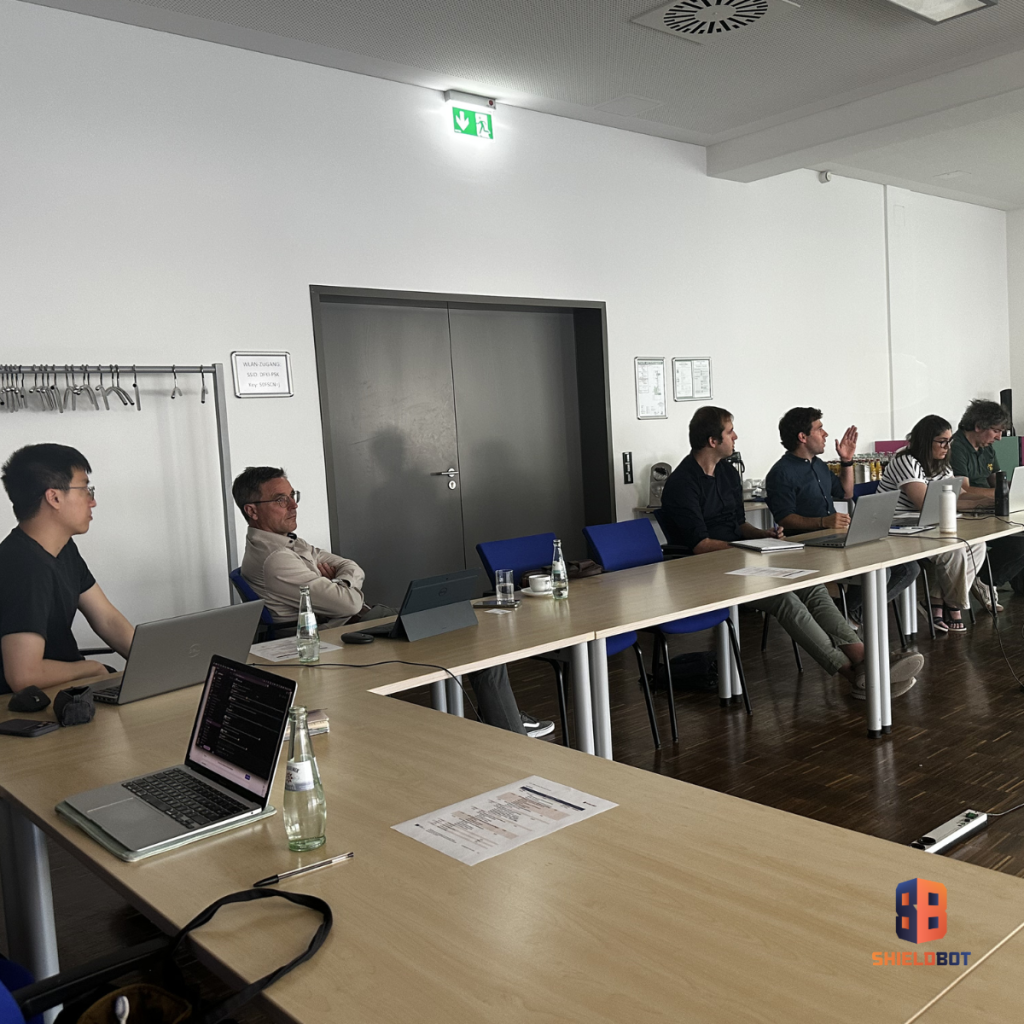
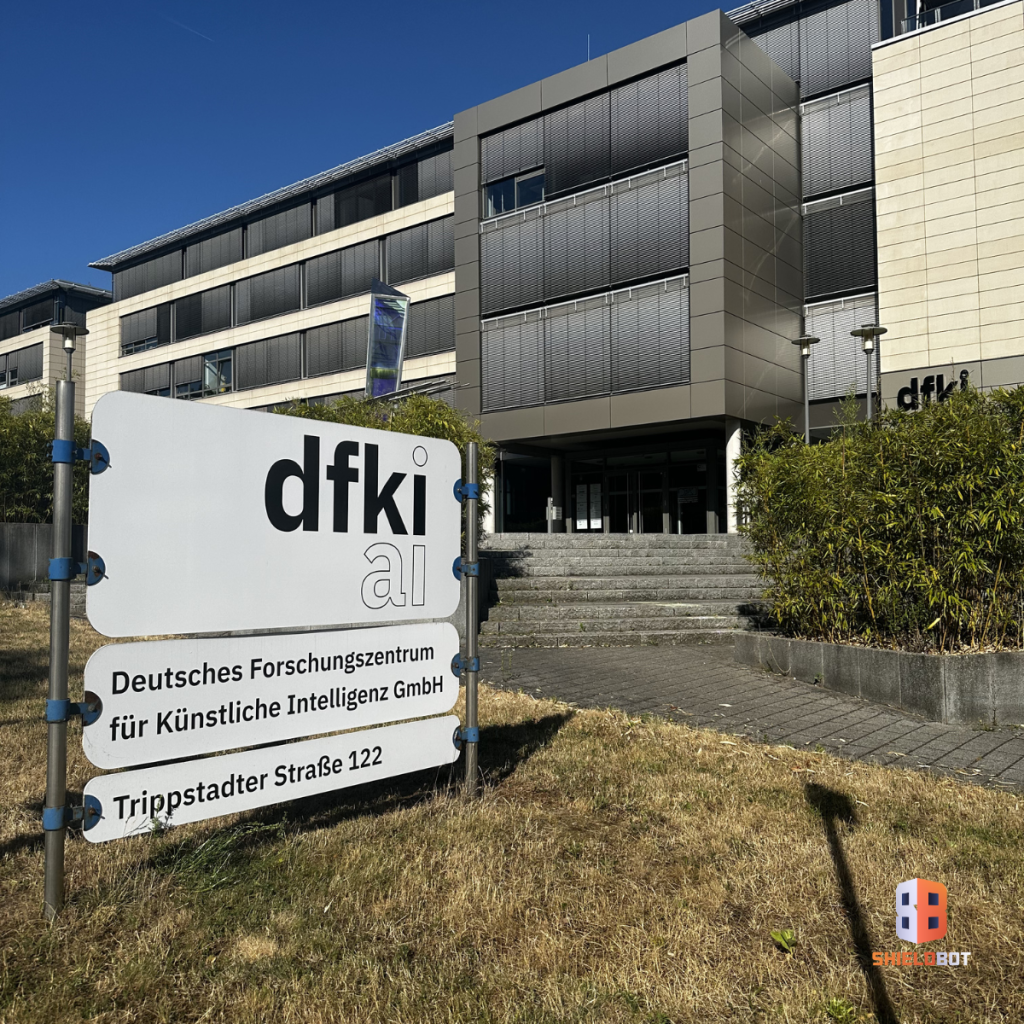
On the 2nd of July 2026, the ShieldBot consortium gathered at the German Research Center for Artificial Intelligence (DFKI) in Kaiserslautern, Germany, for its work package leaders meeting.
Hosted by Jason Rambach, Research Group Leader in AI Perception at DFKI, the meeting brought together project partners to review progress across the different work packages, discuss technical and administrative developments, and align priorities for the next phase of ShieldBot, starting its second year in November 2026.
Addressing ShieldBot’s Challenges to Maximise Impact in Construction
Jason opened the meeting welcoming all participants to the Institute, and provided a brief introduction to DFKI's research activities.
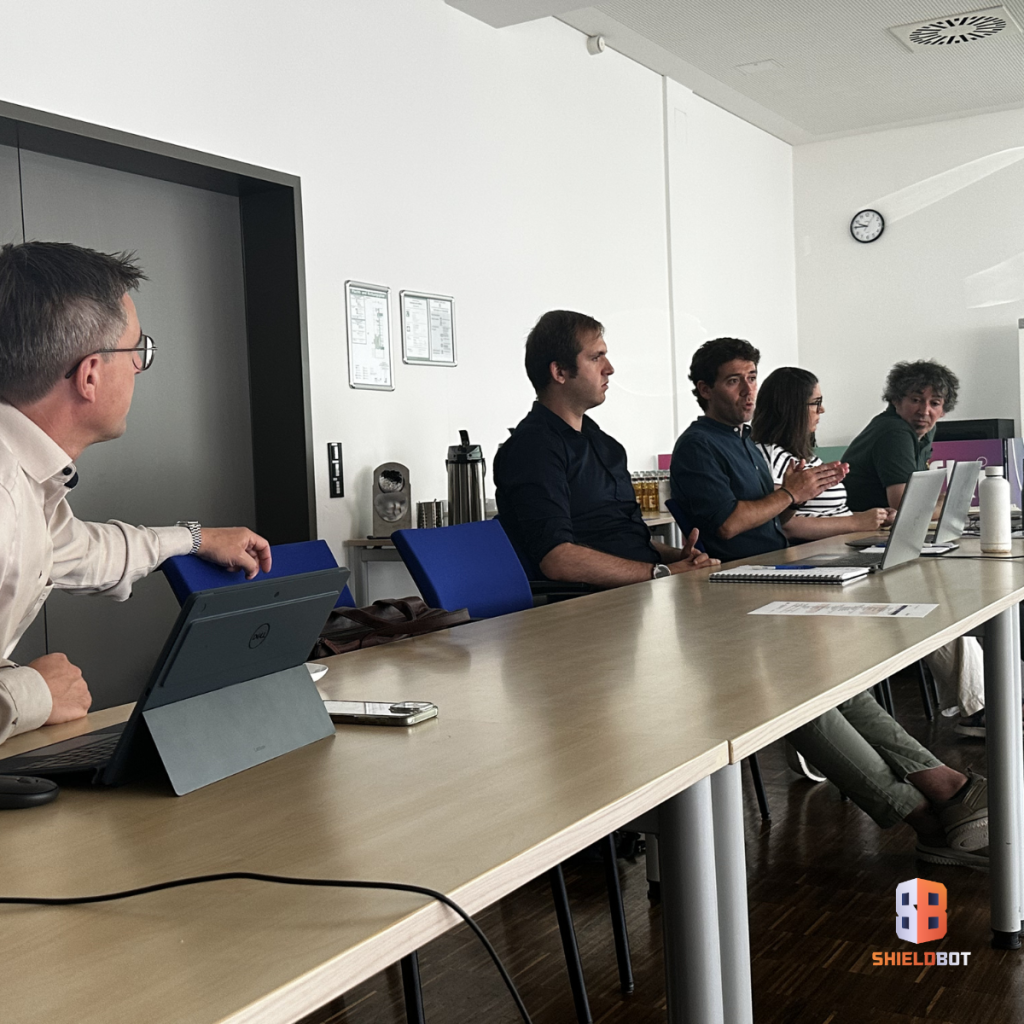
The morning session focused on project coordination and management activities. Partners reviewed the overall work plan, milestones, deliverables, and administrative matters. A key part of the discussions centred on the challenges identified during the first months of the project and the refinement of the suggested adaptations in the robotic solutions.
The ShieldBot team also revisited the industry requirements proposed by Bouygues Construction, as well as the key performance indicators (KPIs), to ensure that our robotic solutions meet the end-users needs ultimately, enhancing the impact of the project within the construction sector.
ShieldBot's Robotic Solutions
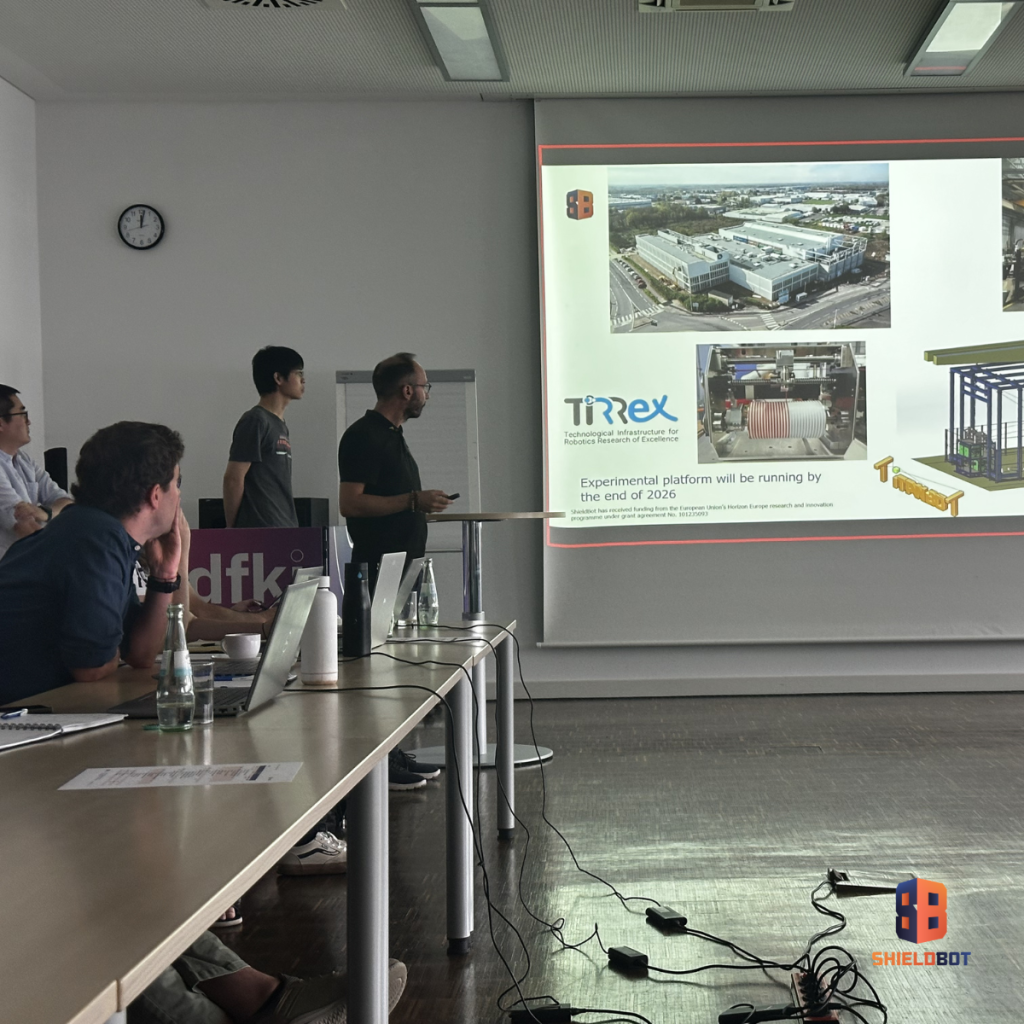
Dedicated sessions were held for the project's technical work packages, where each leader presented recent achievements, current activities and plans for the next six months. Partners showcased progress on the three main robotic innovations:
- InnerShieldBot
- InspectionShieldBot
- FaçadeShieldBot
The University of Nottingham presented a demo on a crawling robot designed for façade inspection while Nantes Université and CNRS showed their experimental testing platform used for controller activation and validation.
The afternoon sessions explored the project’s solutions enabling robot perception and human-robot interaction, mainly based on cameras and sensors to improve environmental perception, precision and operational stability.
EcoShield and DigiShield
The consortium also reviewed progress on EcoShield, where work has focused on selecting and now testing sustainable materials, alongside developments within DigiShield and its Building Information Modelling (BIM) digital twin.
DFKI and RPTU presented their latest achievements in Scan-to-BIM technologies, demonstrating semantic segmentation techniques capable of transforming building scans into detailed 3D digital models. These different techniques were applied to the building floor scanned in Paris, part of a renovation project from Bouygues Construction, in May 2026.
Visiting DFKI's Robotics Facilities
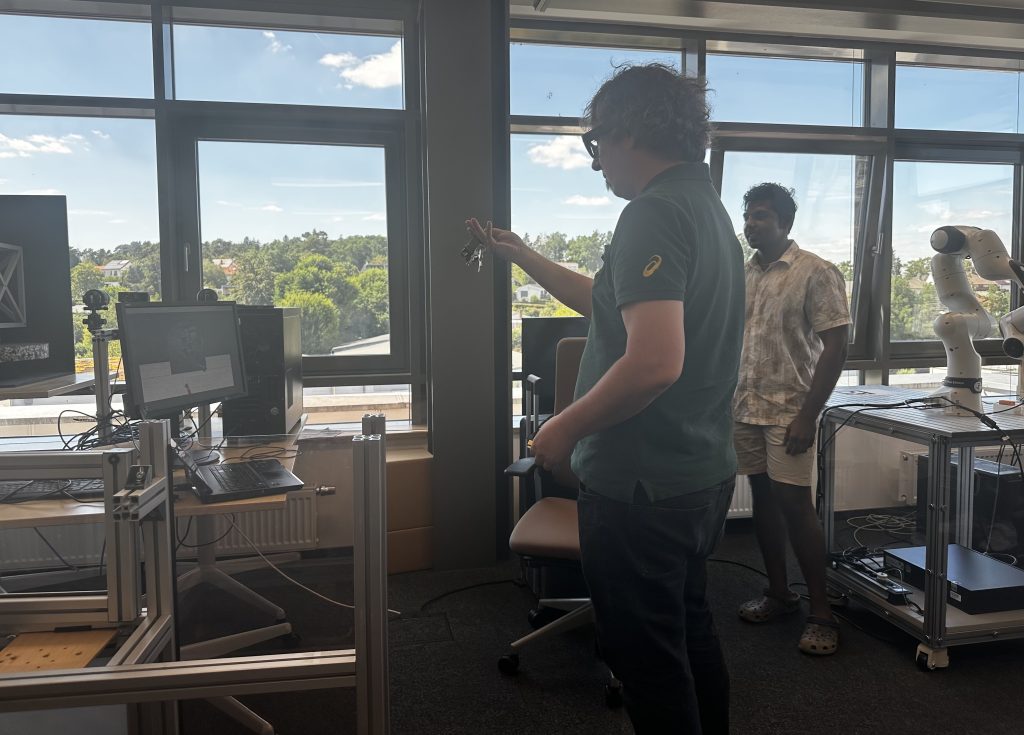
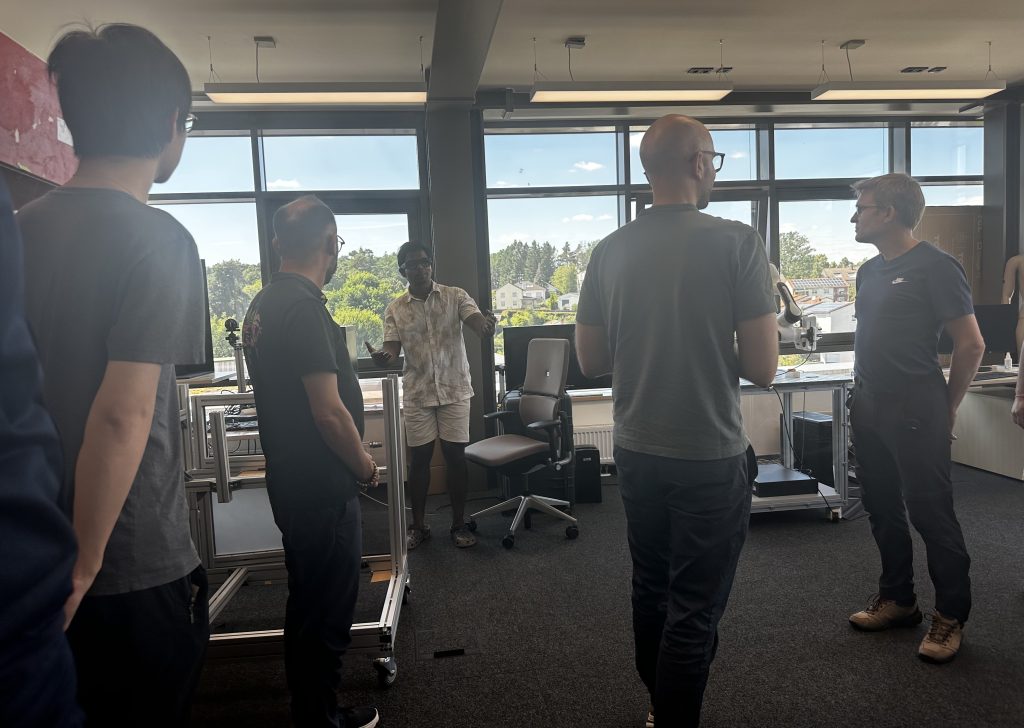
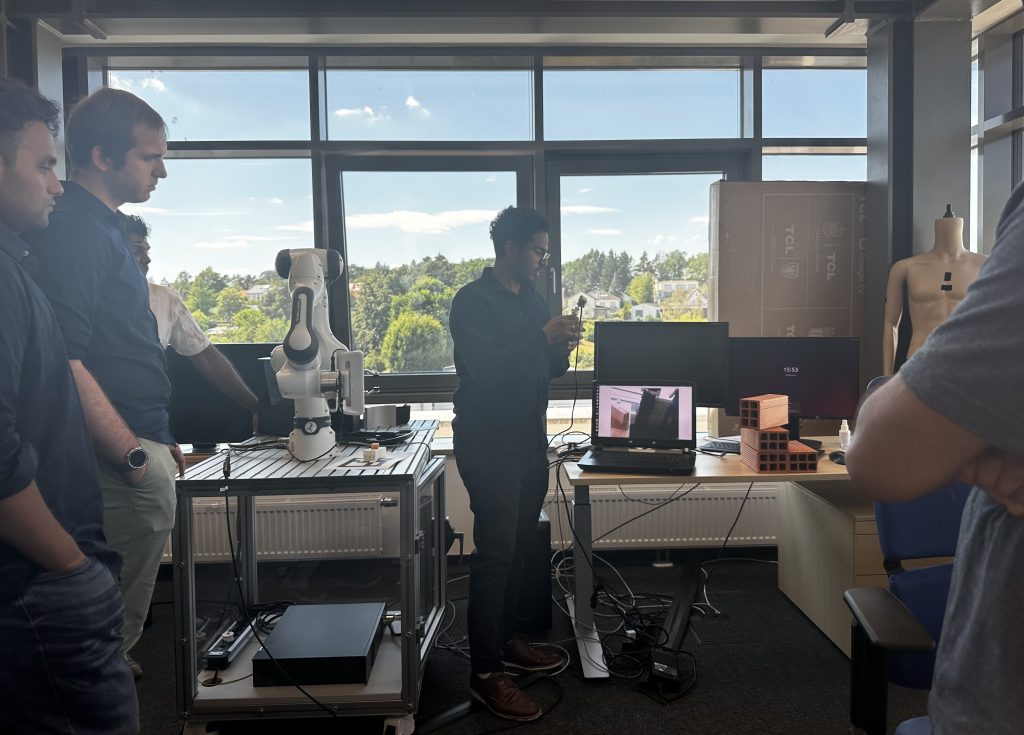
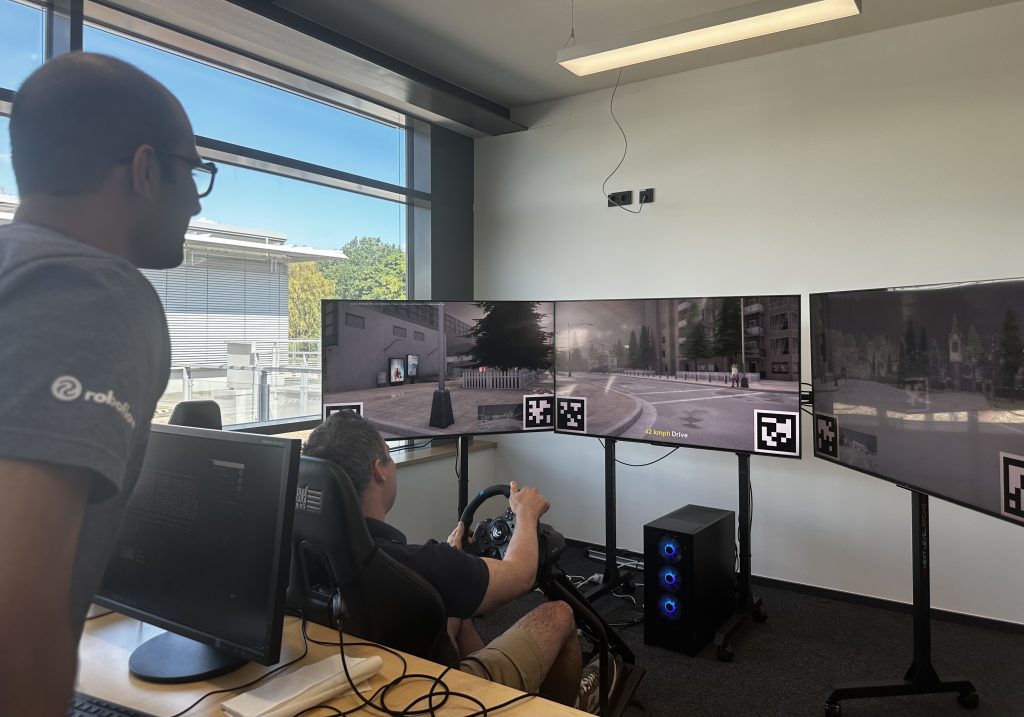
DFKI organised a visit to its research facilities, showcasing a range of innovative robotics and artificial intelligence (AI) demonstrations, including eye tracking while driving to ensure safety and compliance, glasses with a camera that translates your hands movement into a digital twin of the room, and a camera device coupled with a decision-making algorithm to help a robot pick up the best brick in a stack when requested.
The day finished with a traditional dinner at a local biergarten, offering partners the opportunity to continue the discussions in an informal setting while strengthening collaboration across the consortium.