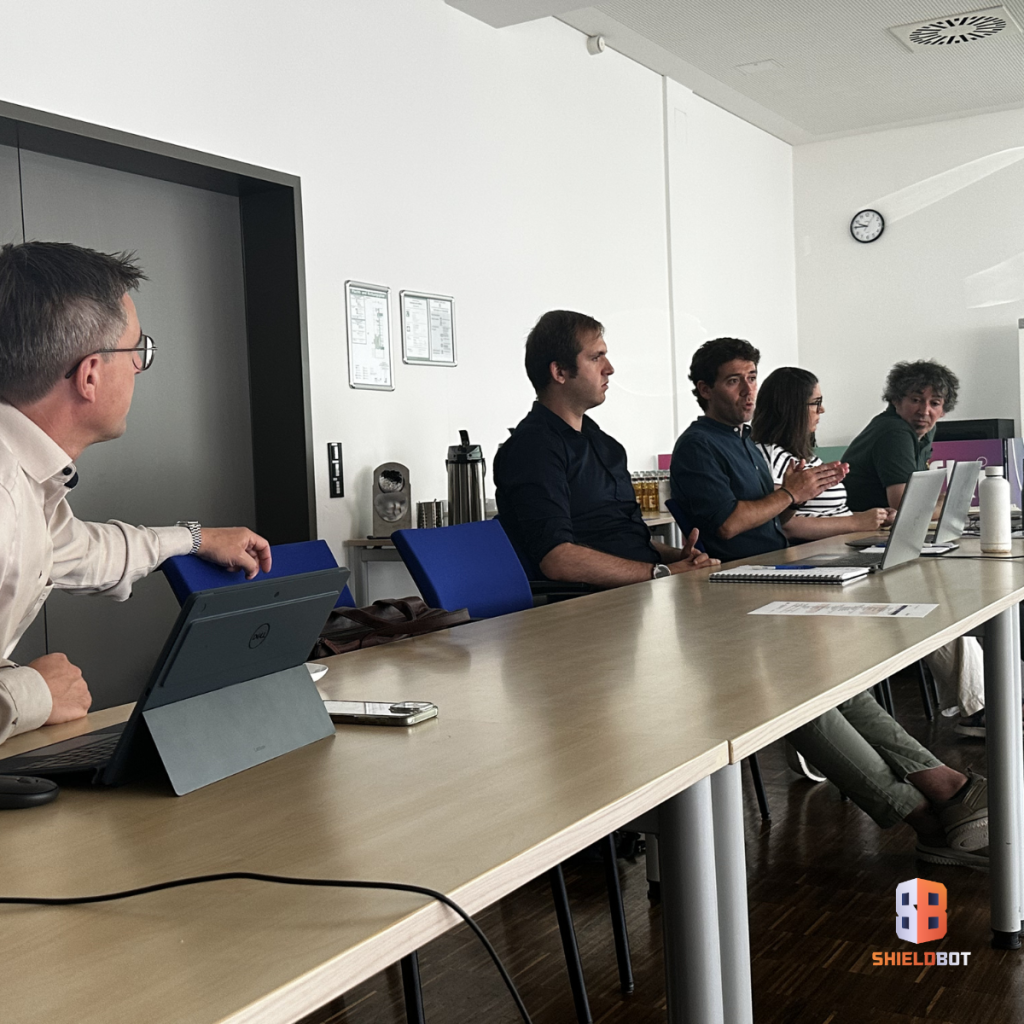
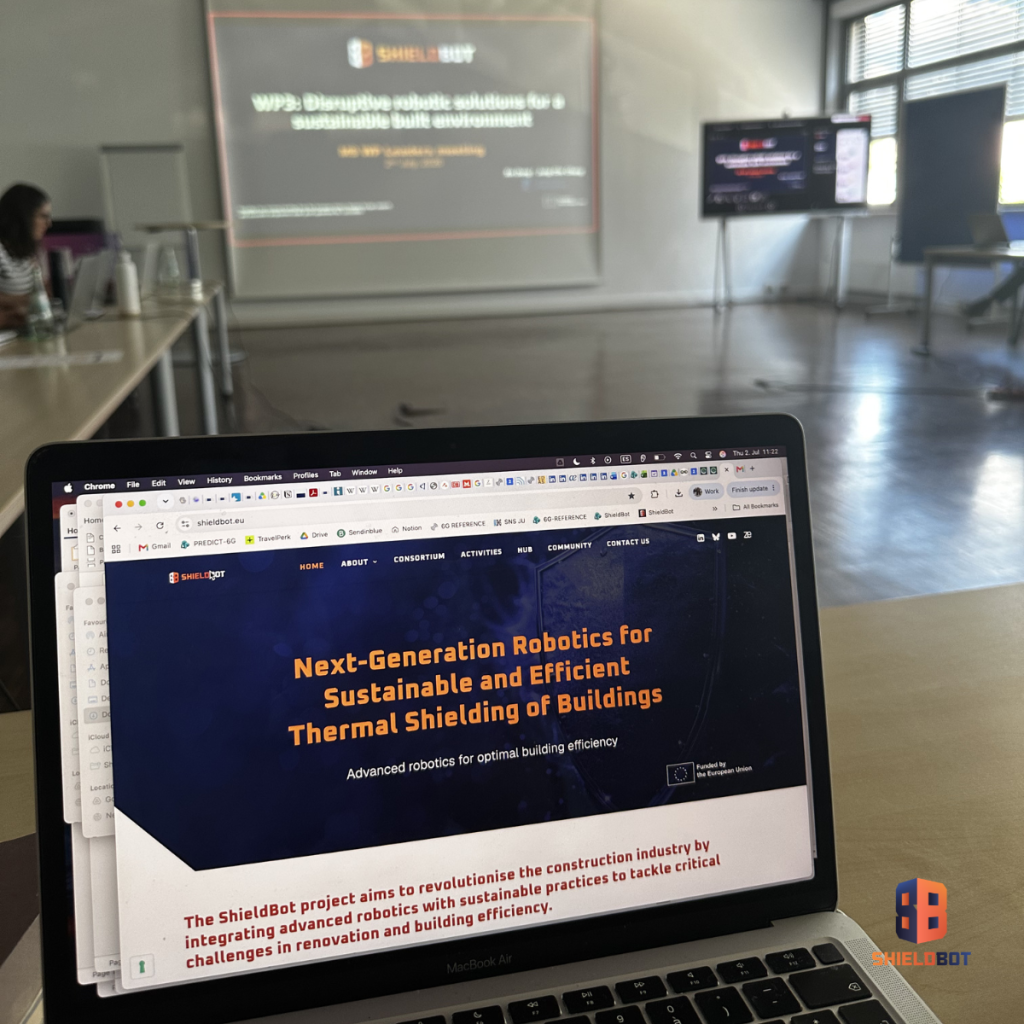
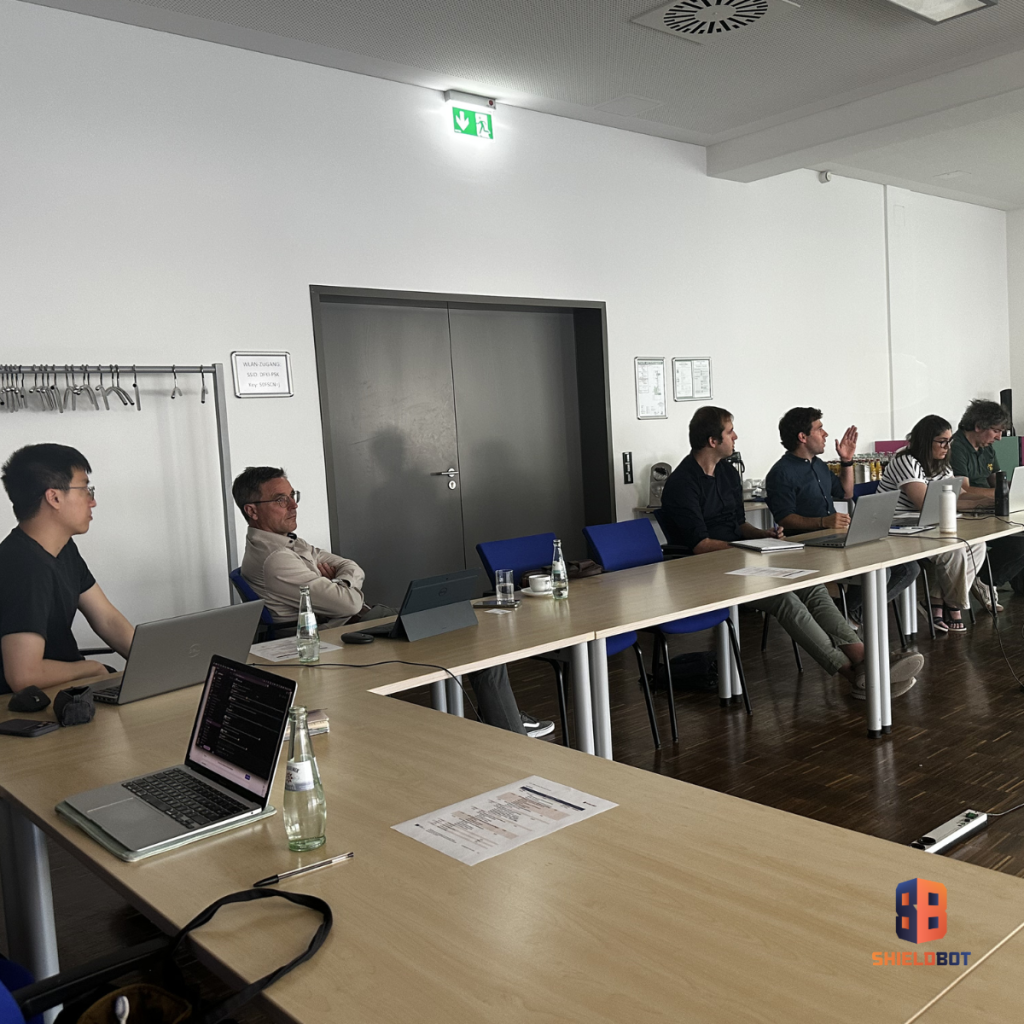
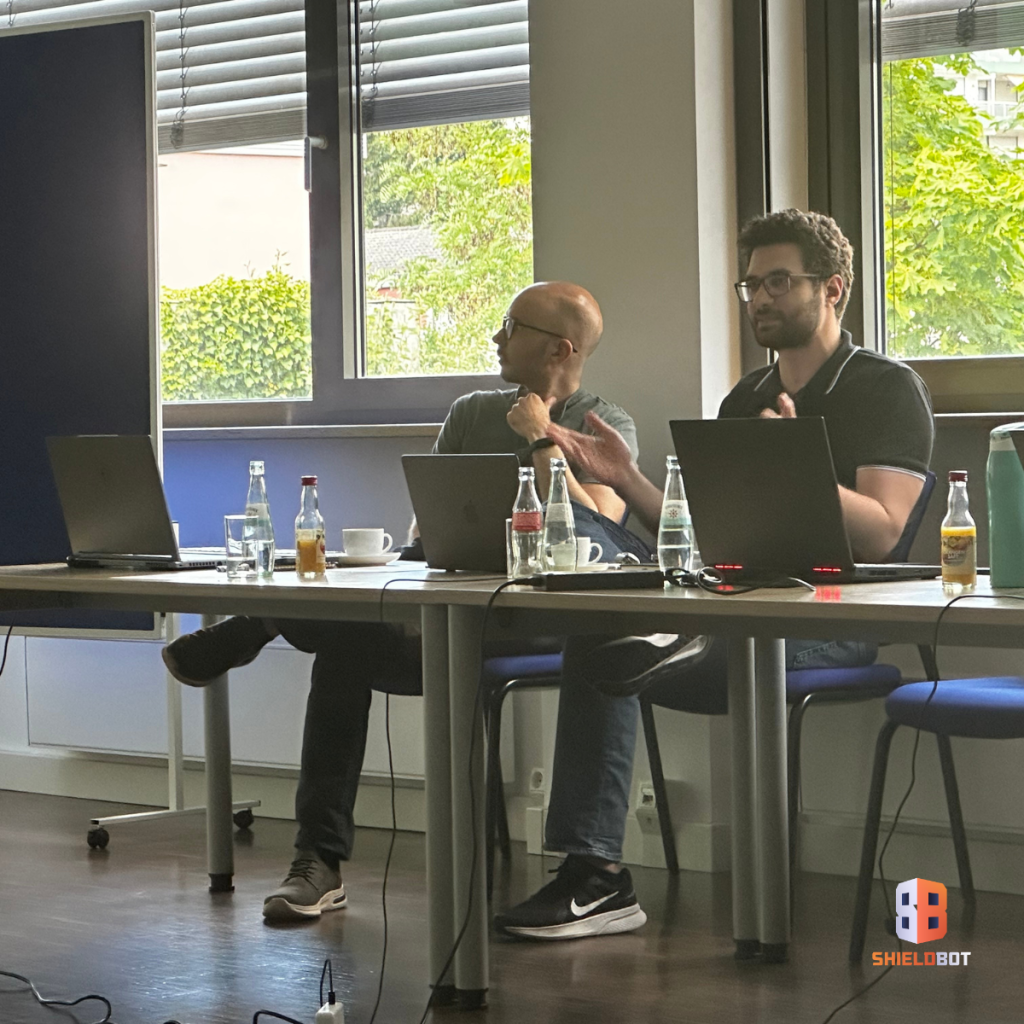
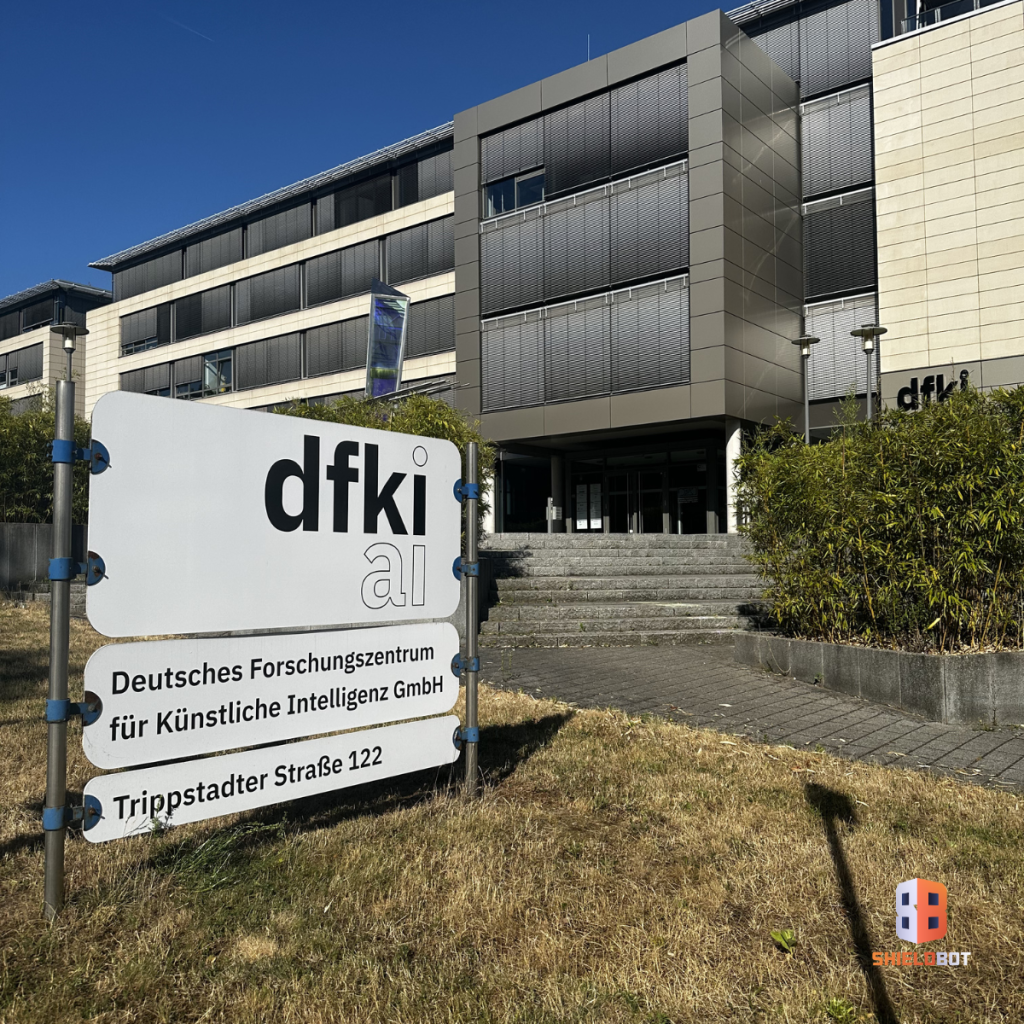
On the 2nd of July 2026, the ShieldBot consortium gathered at the German Research Center for Artificial Intelligence (DFKI) in Kaiserslautern, Germany, for its work package leaders meeting.
Hosted by Jason Rambach, Research Group Leader in AI Perception at DFKI, the meeting brought together project partners to review progress across the different work packages, discuss technical and administrative developments, and align priorities for the next phase of ShieldBot, starting its second year in November 2026.
Addressing ShieldBot’s Challenges to Maximise Impact in Construction
Jason opened the meeting welcoming all participants to the Institute, and provided a brief introduction to DFKI’s research activities.
The morning session focused on project coordination and management activities. Partners reviewed the overall work plan, milestones, deliverables, and administrative matters. A key part of the discussions centred on the challenges identified during the first months of the project and the refinement of the suggested adaptations in the robotic solutions.
The ShieldBot team also revisited the industry requirements proposed by Bouygues Construction, as well as the key performance indicators (KPIs), to ensure that our robotic solutions meet the end-users needs ultimately, enhancing the impact of the project within the construction sector.
ShieldBot’s Robotic Solutions
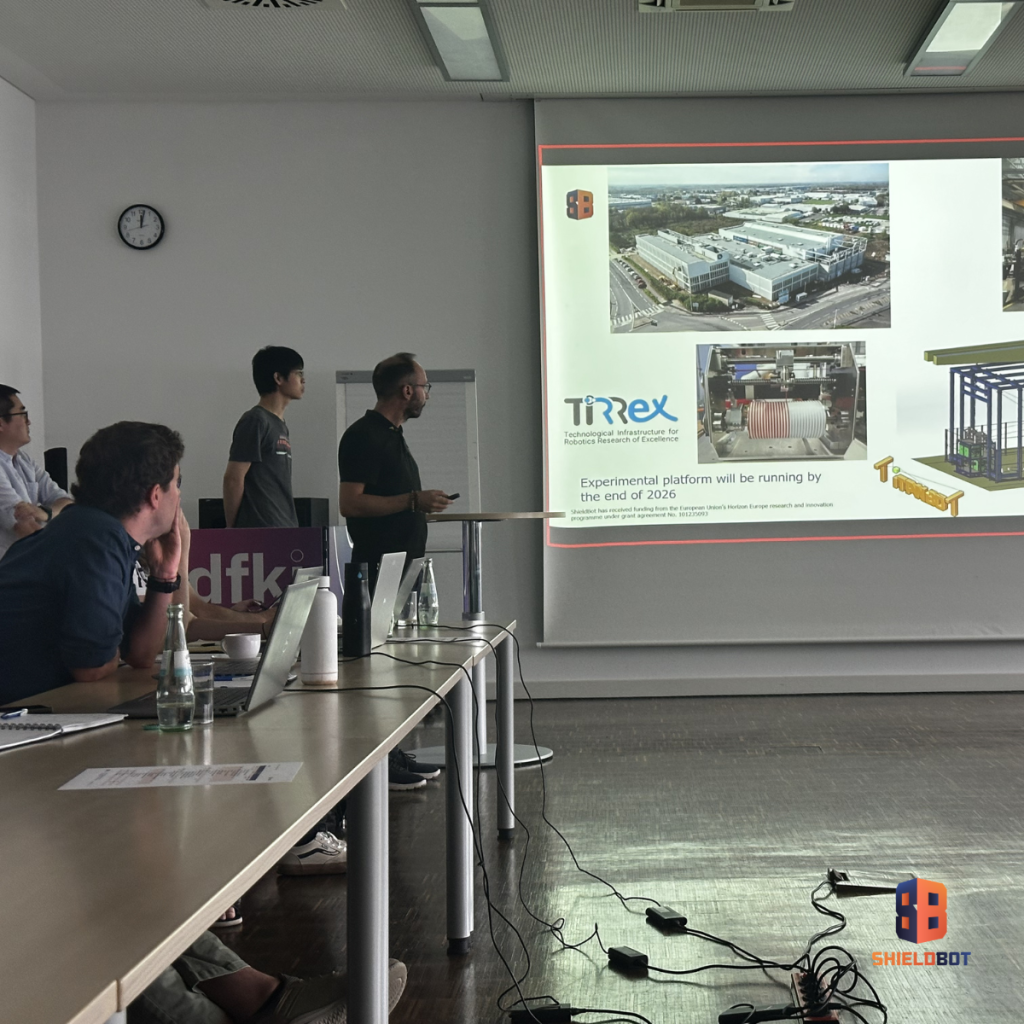
Dedicated sessions were held for the project’s technical work packages, where each leader presented recent achievements, current activities and plans for the next six months. Partners showcased progress on the three main robotic innovations:
- InnerShieldBot
- InspectionShieldBot
- FaçadeShieldBot
The University of Nottingham presented a demo on a crawling robot designed for façade inspection while Nantes Université and CNRS showed their experimental testing platform used for controller activation and validation.
The afternoon sessions explored the project’s solutions enabling robot perception and human-robot interaction, mainly based on cameras and sensors to improve environmental perception, precision and operational stability.
EcoShield and DigiShield
The consortium also reviewed progress on EcoShield, where work has focused on selecting and now testing sustainable materials, alongside developments within DigiShield and its Building Information Modelling (BIM) digital twin.
DFKI and RPTU presented their latest achievements in Scan-to-BIM technologies, demonstrating semantic segmentation techniques capable of transforming building scans into detailed 3D digital models. These different techniques were applied to the building floor scanned in Paris, part of a renovation project from Bouygues Construction, in May 2026.
Visiting DFKI’s Robotics Facilities
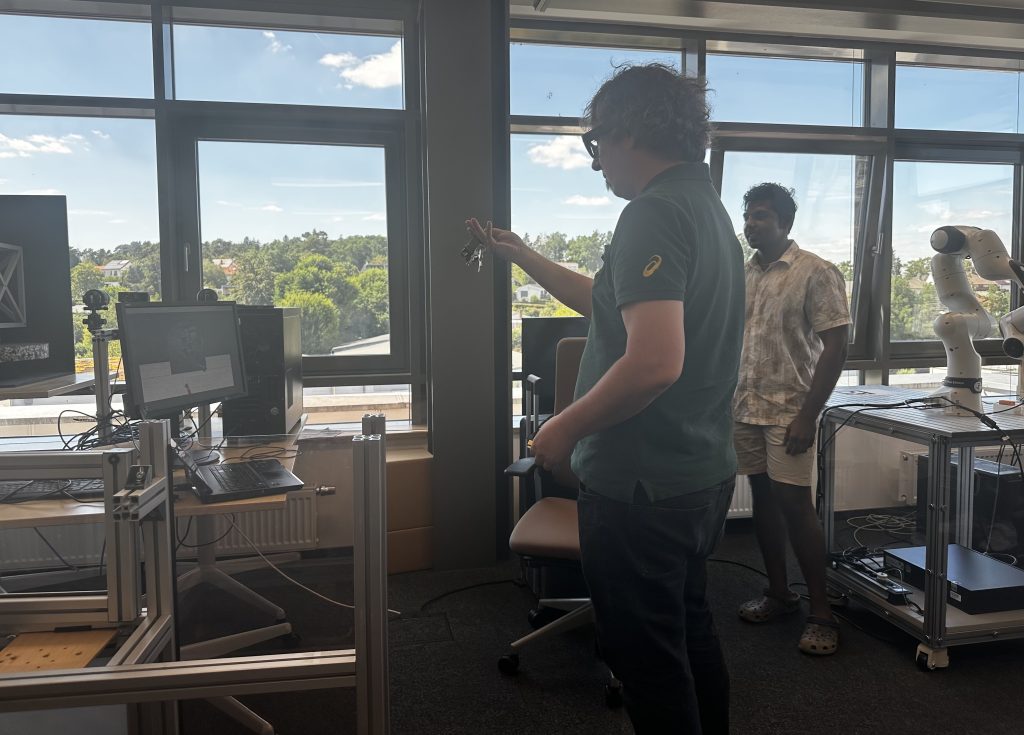
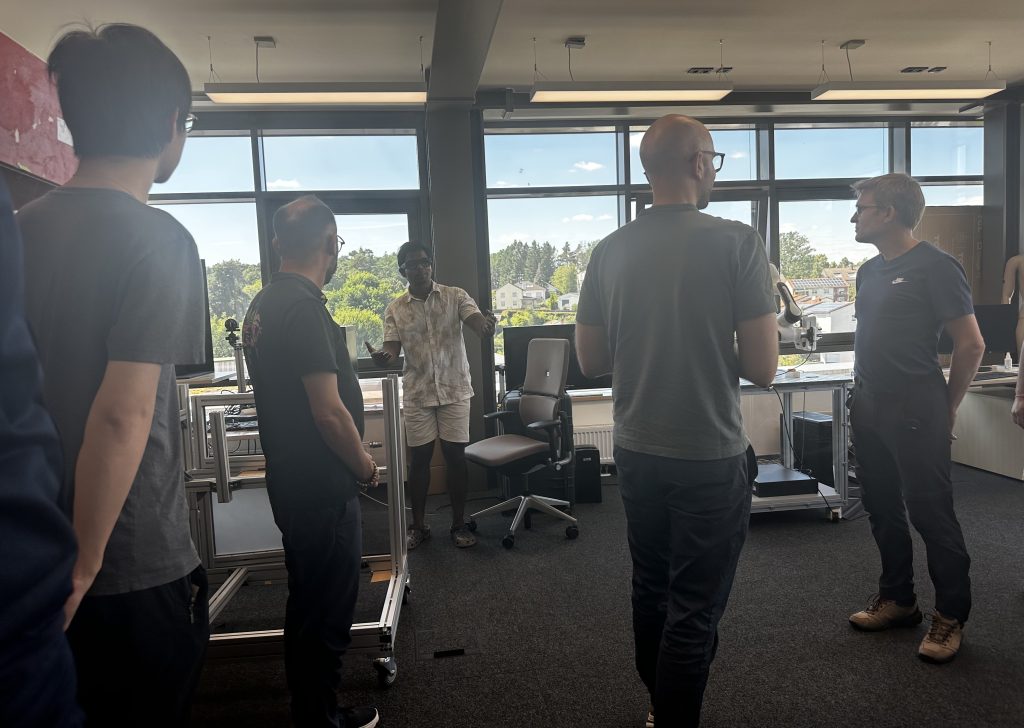
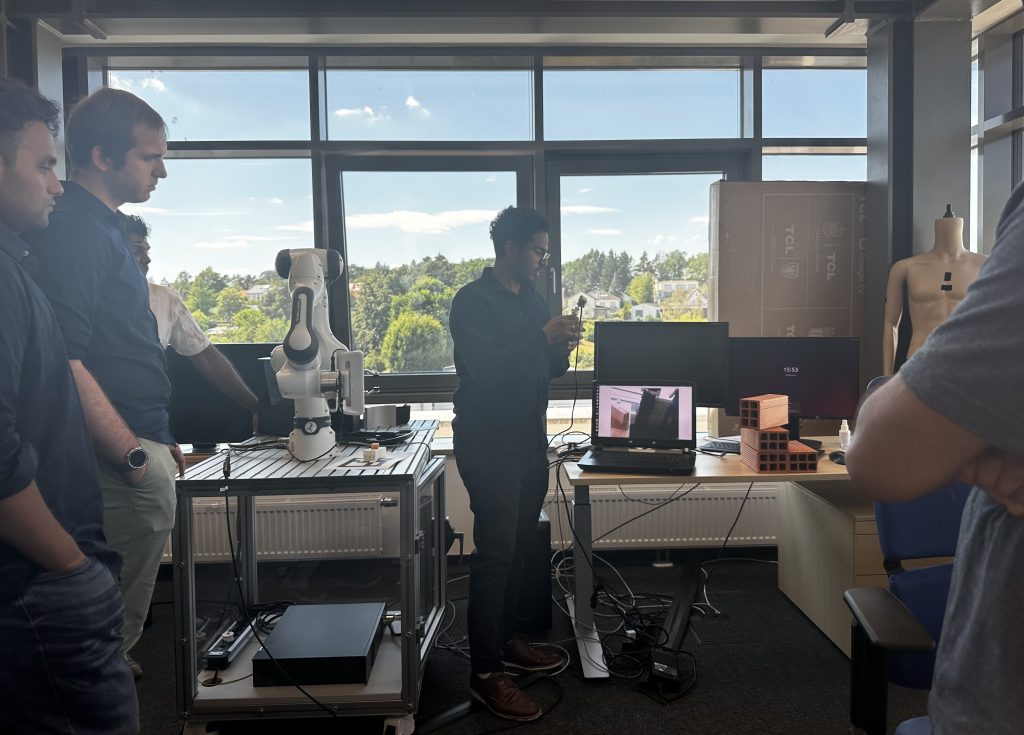
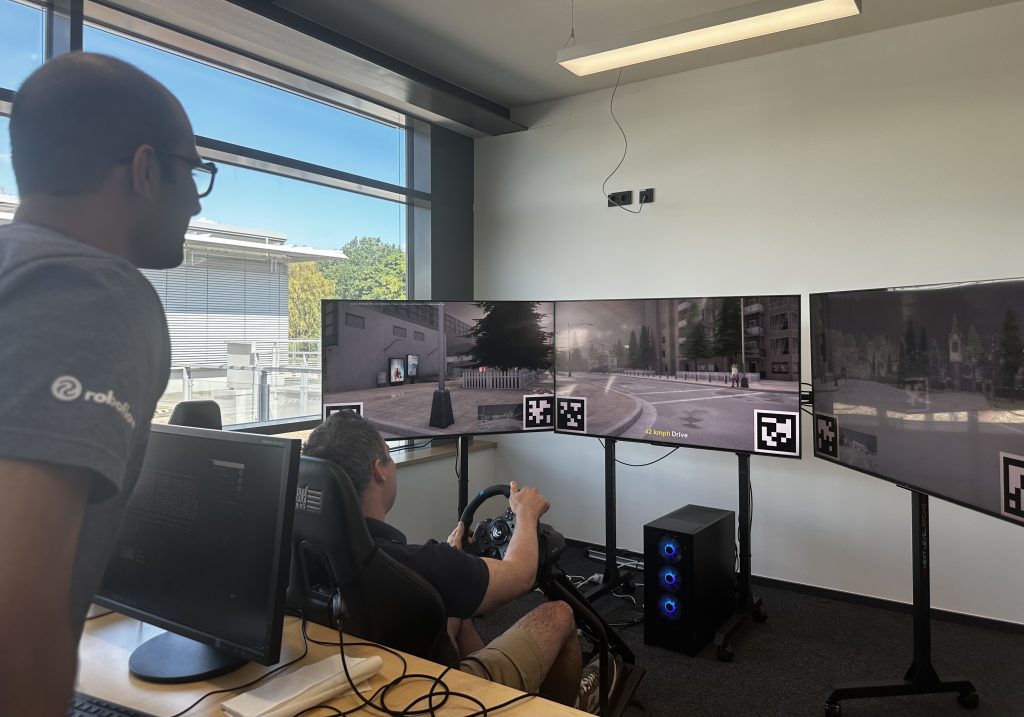
DFKI organised a visit to its research facilities, showcasing a range of innovative robotics and artificial intelligence (AI) demonstrations, including eye tracking while driving to ensure safety and compliance, glasses with a camera that translates your hands movement into a digital twin of the room, and a camera device coupled with a decision-making algorithm to help a robot pick up the best brick in a stack when requested.
The day finished with a traditional dinner at a local biergarten, offering partners the opportunity to continue the discussions in an informal setting while strengthening collaboration across the consortium.